

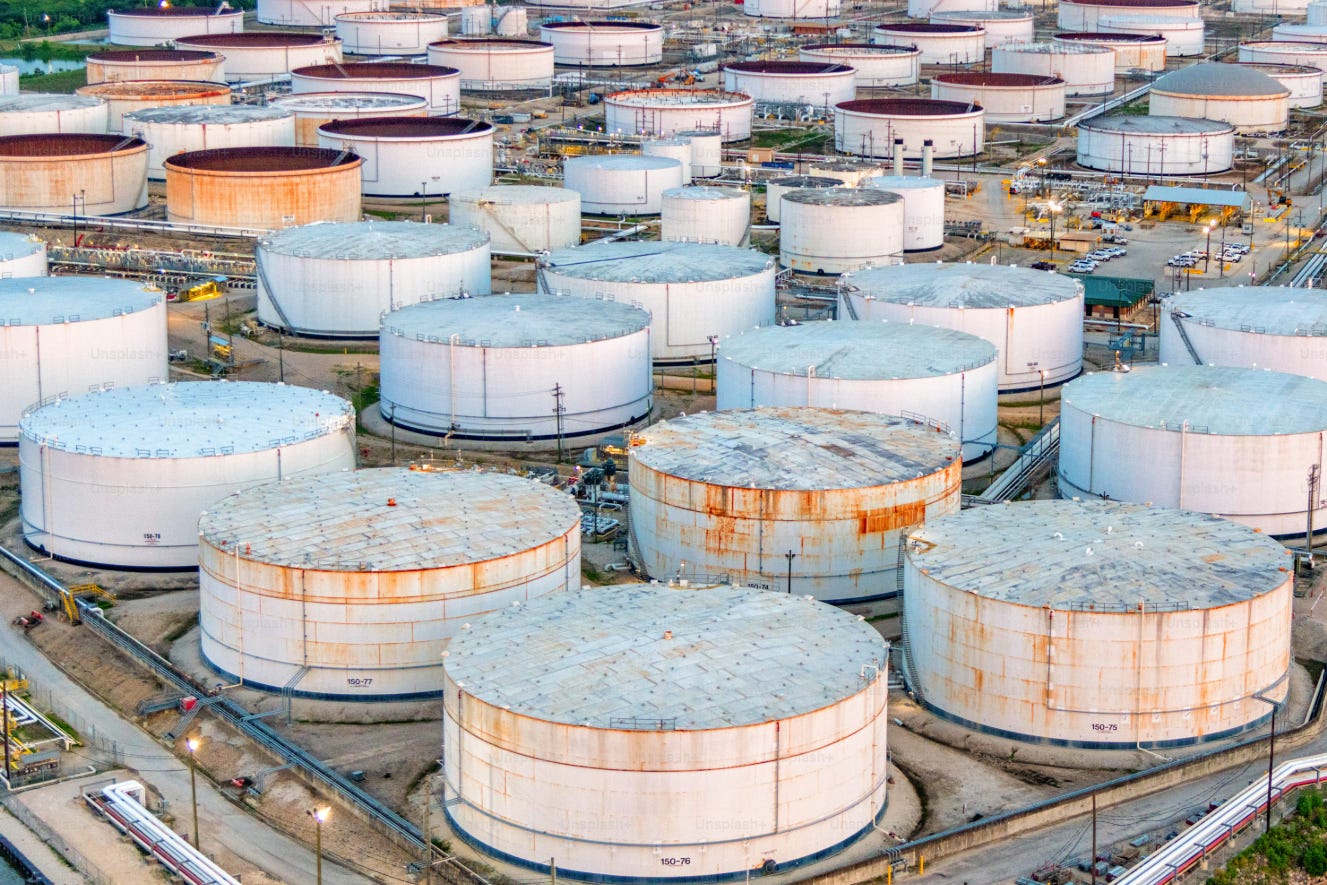
Modern energy systems are designed for efficiency rather than survivability. This distinction remains largely invisible during periods of stability. It becomes visible only when concentrated infrastructure is tested. Recent strikes on refining capacity, export hubs, and maritime transit corridors in the Gulf have been reported primarily as geopolitical escalation. Markets reacted, oil prices adjusted, and attribution debates followed. Those elements are secondary. The more consequential observation is structural. The modern energy system is organized around a limited number of high-throughput nodes, and publicly available infrastructure data confirm that a small number of refineries, export terminals, and chokepoints handle a disproportionate share of global energy flow.
Strategic Intent Analysis does not ask who initiated a strike or whether escalation was justified. It asks whether observable behavior reveals pressure applied to system architecture. The facilities affected are not symbolic targets. They are functional valves. Large refineries convert crude into usable fuel at scale. Storage and blending hubs consolidate flows. Export pipelines bypass geographic chokepoints but remain fixed assets. Maritime corridors compress global trade into narrow passageways. Desalination facilities depend on uninterrupted power and fuel. Each of these functions concentrates throughput into discrete locations. The architecture is economically rational. Scale reduces cost. Concentration increases efficiency. But concentration also creates asymmetry.
A modern refinery requires billions of dollars and years of construction. A storage terminal represents long-term capital commitment. A major export pipeline cannot be relocated. By contrast, the tools required to disrupt such facilities are comparatively inexpensive and replicable. When the cost of disruption falls while the cost of concentration remains fixed, structural fragility increases. This condition does not depend on motive or attribution. It is a property of the system’s design. The event reveals what was already present. The broader logic was examined previously in After Nord Stream: Risk in a World of Irreversible Loss, where infrastructure destruction was shown to create enduring geopolitical constraint rather than temporary disruption. The current episode extends that observation from irreversible loss to persistent exposure.
The relevant SIA question is whether the system responds in a fragmented manner or whether post-event behavior begins to consolidate around a new assumption. Reaction is exploratory and reversible. Strategy narrows alternatives and reinforces direction. If energy infrastructure is treated as a permanent security domain rather than ordinary commercial property, the shift will be visible in budgets, insurance markets, naval posture, and capital allocation. Incentives reveal direction more reliably than rhetoric. If those changes remain after the immediate crisis passes, the system will have altered its baseline assumptions.
The Gulf case is not unique in principle. Modern civilization operates through nodes. Liquefied natural gas terminals, high-voltage transformers, semiconductor fabrication plants, undersea cables, and data centers share similar characteristics. They are capital-intensive, geographically fixed, and optimized for throughput. This mirrors the structural dynamic described in The Efficiency Trap: How Optimization Eliminates System Resilience, where the removal of margin in pursuit of performance creates sudden exposure under stress. The architecture assumes that certain classes of infrastructure remain outside routine disruption. When that assumption weakens, the system does not collapse, but it changes. Security expenditures rise. Risk premiums embed. Policy frameworks expand. Lock-in follows when reversal becomes impractical.
Strategic Intent Analysis does not assign authorship to this trajectory. It asks whether the system reorganizes itself after exposure. The fragility was not created by the strike. It was revealed by it. Stability in concentrated systems depends not only on resource abundance, but on protection of the few nodes through which everything flows. That is the structural condition now visible.